





Neurosurgery
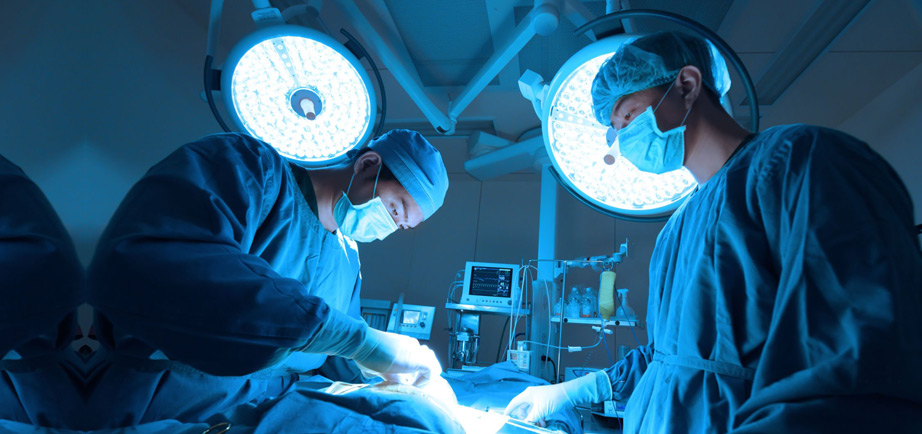
The department was started in 1994 by Dr U.S. Srinivasan and now headed by Dr P.R.Rajkumar performs more than 500 major procedures a year, including microneurosurgeries. At present, the department offers hi-tech neurosurgery, including management of head injury, at a low cost. The microneurosurgical operations performed by the department have yielded results that are on par with major international centres. Severe backache and neck pain are often caused by disc prolapse at lumbar, thoracic and cervical regions of the vertebral column. Experts at PSG Hospitals perform microdiscectomy, a minimally invasive method to surgically remove herniated disc material that presses a nerve root or the spinal cord, and fusion to alleviate the extreme discomfort. They are also capable of microsurgically removing spinal cord tumours and congenital spinal cord lesions.
The department also successfully treats bleeding into the brain due to abnormal bulge in the wall of the artery by clipping the aneurysm. It also routinely does evacuation of blood from vessels that have burst in the brain. Cerebrovascular surgery to treat diseases affecting blood vessels that supply the brain is another area of expertise of the department.
Some of the surgical procedures employed by the unit to treat stroke include removal of a part of the skull to accommodate brain swelling (decompressive craniectomy) and unblocking of the carotid artery that supplies blood to the brain (carotid endarterectomy). It also performs cerebral revascularisation to bring oxygen-rich blood to areas with restricted flow.
Other problems comprehensively treated by the department include brain abscess, tuberculosis, orbital abscesses and optic nerve tumours. The department performs cranioplasty to surgically repair a defect or deformity of the skull and has also started neuroendoscopy to treat excessive collection of cerebrospinal fluid in the brain (hydrocephalus) and cysts. The unit also performs stereotactic neurosurgery by mapping the brain in three dimensions, using coordinates and minimally invasive procedures.
To perform these surgeries, the department is now equipped with a dedicated hi-tech operation theatre. PSG is one of the few medical college hospitals in the country with an intracranial pressure monitoring facility. The department is well supported by an intensive care unit, equipped with modern ventilators and monitors, and managed by anaesthetists, physiotherapists and paramedical staff.
The department is also planning to put in place a Brainsuite, an integrated neurosurgery system that facilitates precise treatment of complicated tumours in very sensitive areas of the brain. It is the latest development in image-guided surgery, providing realtime views of the tumour site with intra-operative magnetic resonance imaging (iMRI), neuronavigation, stereotaxy and advanced neurosurgical microscope.
Our Axiom
Hi-Tech-low cost Neurosurgery under one roof
The following Micro Neurosurgical operations are being carried out. These surgeries have been performed with excellent results on par with major international neurosurgical centers.
Brain Tumors
Micro Neurosurgical Total Excision of the Brain Tumors like Meningiomas, Gliomas, Skull base tumors, Pituitary Tumors and Posterior fossa Tumors are being operated with excellent results.
Minimally Invasive, Maximally Effective Neurosurgery is our motto. For disc prolapse at lumbar, thoracic & cervical, micro discectomy and fusion are being performed. Spinal cord Tumors and Congenital Spinal Cord Lesions are micro surgically excised with excellent functional outcome.
Cerebro Vascular Surgery
Cerebral haemorrhages due to Aneurysm rupture is being successfully treated by Clipping of the Aneurysm. Micro surgical evacuation of Intracerebral Haematoma is being done routinely.
Brain and Spine Injury
Critically ill neurotrauma patients are attended immediately, round the clock. 24 hours emergency trauma services are provided including ambulance facilities. As a step ahead, we provide rehabilitation including psychological counseling.
Spinal cord micro surgical decompression and spine fixation are being routinely done.
Other Surgeries
Micro neuro surgical excision of brain abscess and optic nerve tumors are done. Post operative skull bone defect is very well treated with cranioplasty.
Neuroendoscopy
A new modality in the form of Neuroendoscopy, for treating hydrocephalus / cysts has been started.
Decompression craniectomy and cerebral revascularization procedures are done for stroke patients.
Academic Activities
- The department is involved in both undergraduate and post graduate training programs. It trains post graduates in Orthopaedics, Surgery and ENT.
Achievements
Awake Craniotomy Success at PSG Hospitals: A Milestone in Patient-Centered Neurosurgical Care
At PSG Hospitals, we continue to push the boundaries of advanced medical care with a strong focus on patient safety, precision, and quality of life. In a recent remarkable case, our Neurosurgery team successfully performed an awake craniotomy on a 45-year-old female patient who presented with persistent headache.
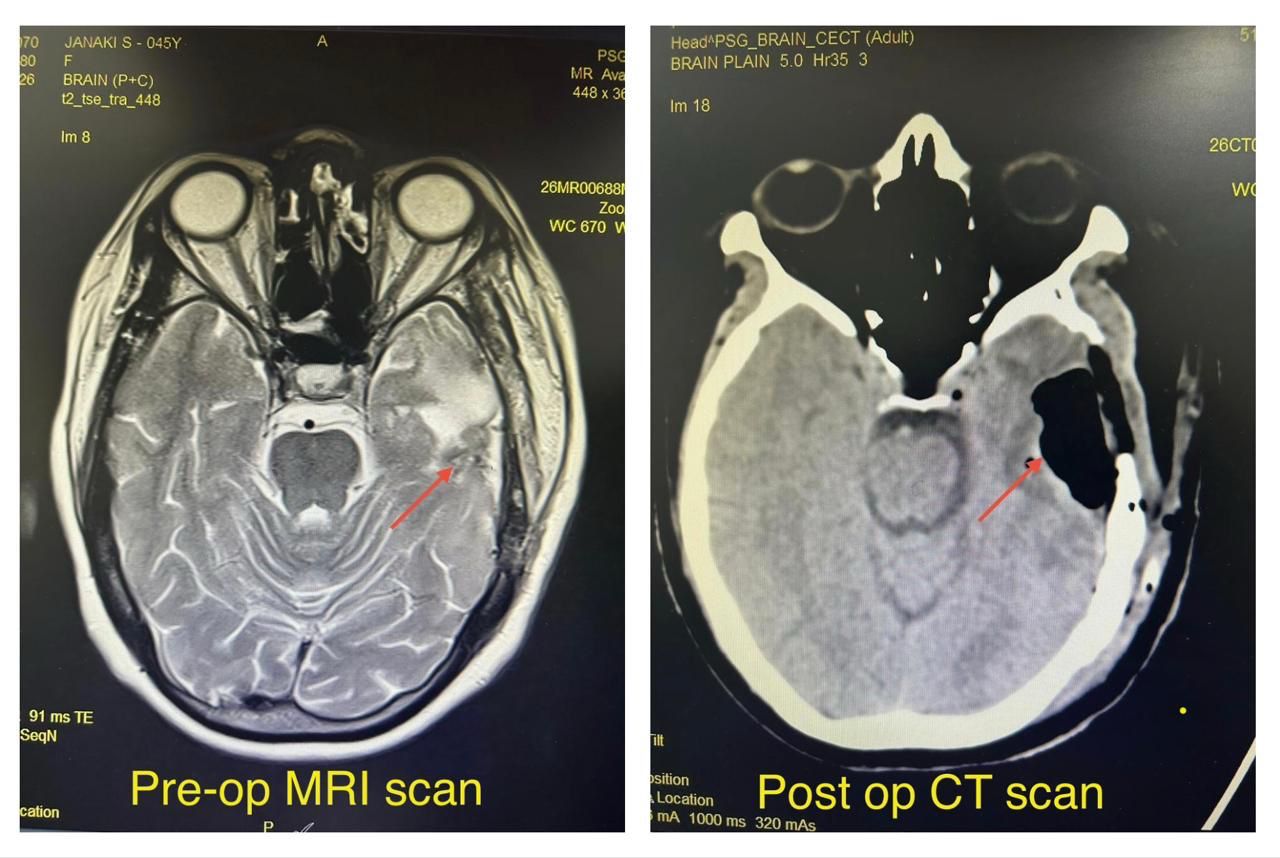
Detailed evaluation revealed a large insular tumor measuring 6.2 × 4 × 5.3 cm, involving the left temporal and parietal lobes. The tumor was located in the dominant hemisphere and affected critical regions responsible for speech and motor function (eloquent cortex). Despite the size and complexity of the tumor, the patient remained neurologically preserved, apart from her presenting complaint.
Given the tumor’s proximity to vital functional areas, the surgical team opted for an awake craniotomy—an advanced neurosurgical technique that allows real-time monitoring of brain function during the procedure. This approach is particularly crucial in cases where preserving speech, movement, and cognition is of utmost importance.
The surgery was meticulously planned and executed by our expert neurosurgical team, comprising Dr. Thirumurthy, Dr. Jayaprakash, Dr. Vinoth, and Dr. Varsha (Senior Resident), in close collaboration with neuroanesthesiologist Dr. Aravind and the Department of Anesthesiology.
Using sophisticated anesthesia techniques, the patient was kept comfortable, cooperative, and pain-free throughout the procedure. Continuous intraoperative neurological monitoring was carried out using structured patient feedback and functional testing, enabling the surgical team to precisely identify and preserve critical brain functions while safely excising the tumor.
The surgery was completed successfully with total tumor removal, and importantly, the patient remained neurologically intact both during and after the procedure.
Histopathological examination confirmed the diagnosis of a Grade 2 astrocytoma. Following surgery, the patient underwent radiotherapy under the guidance of the Radiation Oncology team. She has since made a full recovery and continues to do well on regular follow-up.
This case stands as a testament to the power of multidisciplinary collaboration, advanced technology, and clinical expertise. The seamless coordination between neurosurgeons, anesthesiologists, nursing staff, operation theatre team, pathologists, and oncologists played a pivotal role in achieving this successful outcome.
We extend our sincere gratitude to the Department of Anesthesiology, the neuroanesthesia team led by Dr. Aravind, the dedicated OT staff and nurses, the Department of Radiation Oncology, and the pathology team for their invaluable support.
We also thank Dr. J.S. Bhuvaneswaran, Dr. T.M. Subba Rao, and PSG Management for their constant encouragement in enabling such innovative and life-changing procedures.
At PSG Hospitals, we remain committed to delivering cutting-edge, patient-centered care—ensuring not just survival, but a better quality of life.
Specialist Doctors

Super Specialties Departments
- Aesthetic / Cosmetic Surgery
- Bariatric & Metabolic Surgery
- Cardiology & Preventive Cardiology
- Cardiothoracic & Vascular Surgery
- Clinical Hematology
- Critical Care Medicine
- Developmental Pediatrics
- Emergency Medicine
- Endocrinology & Diabetology
- Endo Gynecology
- Family Medicine
- Fertility Clinic & Centre for Reproductive Medicine
- Fetal Medicine
- Gastroenterology
- Genetics
- Geriatric Medicine
- Gynecologic oncology
- Heart & Lung Transplant LEADING IN THE REGION | One of the Best in the Country
- Hepato-Pancreato-Biliary Surgery & Liver Transplant
- Home Health Service
- Immunology
- Interventional Radiology
- Maxilo Facial Surgery
- Medical Oncology
- Naturopathy & Yoga
- Neonatology
- Nephrology
- Neurology
- Neurosurgery
- Nuclear Medicine
- Paediatric Surgery
- Pain Medicine
- Palliative and Hospice Care
- Pediatric Cardiology
- Pediatric Oncology
- Physical Medicine & Rehabilitation
- Plastic Surgery
- Pulmonology
- Radiation Oncology
- Rheumatology
- Robotic Surgery
- Surgical Gastroenterology
- Surgical Oncology
- Urology & Andrology


Find a Doctor!

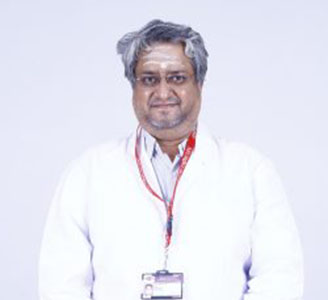
THIRUMURTHY K S Department of Neurosurgery, PSG Hospitals
| Specialty | Neurosurgery |
| Experience | 28 Years |
| Qualification | MBBS, M.S. Mch., |
| Designation | Professor/Senior Consultant |
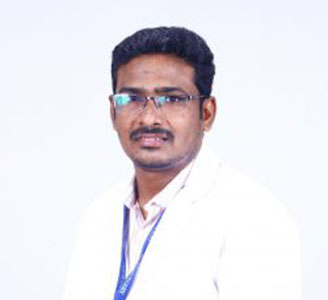
JAYAPRAKASH DURAISAMY Department of Neurosurgery, PSG Hospitals
| Specialty | Neurosurgery |
| Experience | 15 Years |
| Qualification | MBBS.,MS.,MCh (Neurosurgery) |
| Designation | Associate Professor/Consultant |
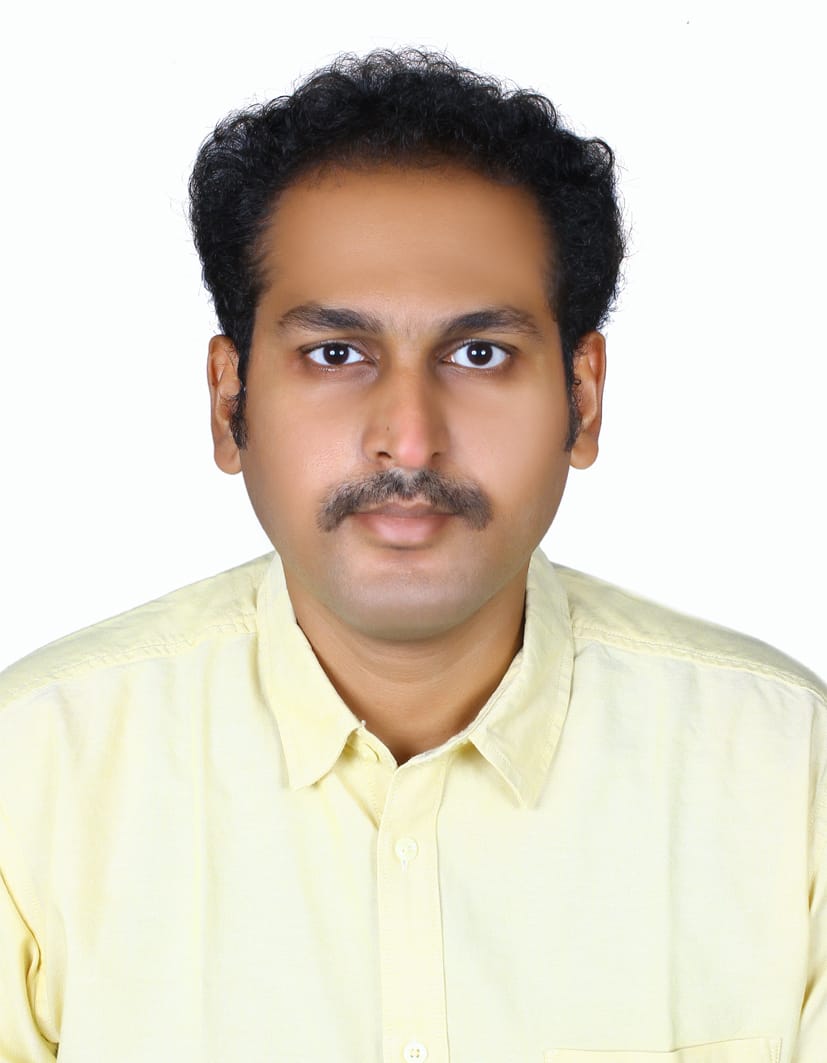
VINOTH D Department of Neurosurgery, PSG Hospitals
| Specialty | |
| Experience | 2 Years |
| Qualification | MBBS.,MS.,MCh (Neurosurgery) |
| Designation | Assistant Professor/Associate Consultant |
Request an Appointment
-

Share with us
Click Here -

Organ Transplantation
Click Here
Copyrights © 2026 PSG Hospitals. All Rights Reserved.